Why Offering a Dark Mode Option Can Boost Sales, Especially at Night
Share
In today’s digital world, personalization is king—and that includes offering users control over how they experience your app or website. One of the most popular features being embraced by businesses to meet user expectations is dark mode. While it started as a simple aesthetic choice, dark mode has evolved into a powerful tool for improving user experience (UX), increasing engagement, and boosting conversions, particularly during late-night hours.
Offering a dark mode toggle is no longer just about adding a trendy feature—it’s a functional upgrade that improves accessibility, reduces eye strain, and can even positively affect your sales. In this article, we’ll dive into the benefits of dark mode, especially for mobile-first platforms, and look at a case study where a food delivery app saw increased orders late at night after implementing this simple but effective feature.
What is Dark Mode?
Dark mode is a display option that switches the color scheme of an interface from light backgrounds (usually white or pale) to dark backgrounds (usually black or gray), while keeping text and interactive elements in contrasting light colors. This change is particularly beneficial for users who browse or use apps in low-light environments.
Why Do Users Prefer Dark Mode?
-
Reduces Eye Strain: Especially in low-light settings, bright screens can cause eye fatigue. Dark mode reduces glare and minimizes blue light exposure, leading to less strain.
-
Battery Efficiency: On OLED and AMOLED screens, dark mode uses less power since black pixels are turned off, which helps extend battery life—a key consideration for mobile users.
-
Aesthetic Appeal: Many users simply prefer the sleek and modern look of dark mode. It has become a trend in UI design, and users often feel it provides a more polished, sophisticated experience.
How Dark Mode Can Impact Sales
1. Increased Engagement at Night
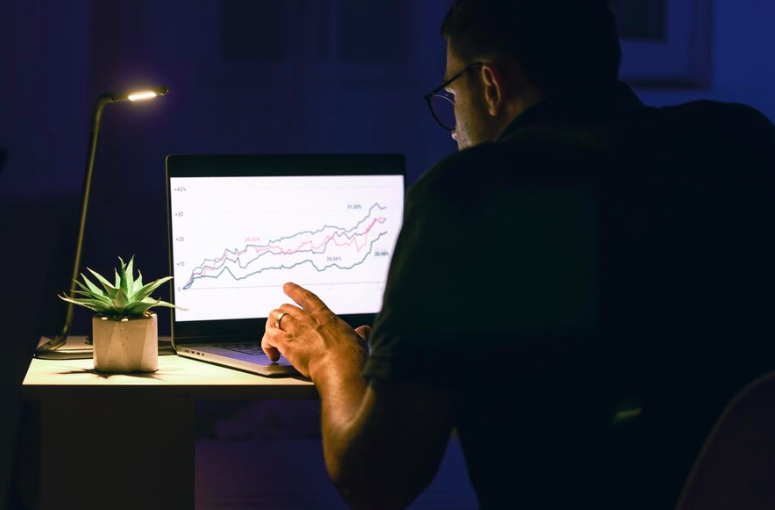
One of the key advantages of dark mode is that it’s optimized for users in darker environments—typically at night. When users are browsing or shopping late in the evening, they’re often using their phones in dim lighting, which makes bright screens uncomfortable. By offering dark mode, you create a more comfortable and user-friendly experience, encouraging users to stay on your platform longer and complete purchases.
2. Improved User Comfort
Offering dark mode creates a sense of personalization. Users who can control the visual elements of the app or website feel more in charge of their experience. This boosts satisfaction and keeps users coming back—particularly for apps or websites that users engage with frequently.
3. Boosting Sales During Off-Hours
Certain industries—especially those involving food delivery, entertainment, or e-commerce—experience an increase in demand during late-night hours. By making your app or website more comfortable to use during these hours with dark mode, you can reduce friction and encourage more spontaneous purchases or orders.
Case Study: Food Delivery App Sees Increased Orders Late at Night with Dark Mode Toggle
A popular food delivery app that primarily caters to mobile users was facing an interesting challenge. While traffic during the day was strong, late-night orders, which represented a significant portion of their business, were lagging behind. Users seemed reluctant to engage with the app in the evening due to eye strain from bright screens, particularly when browsing through menus or placing an order.
What They Did:
-
Introduced a dark mode toggle within the app’s settings, allowing users to switch between light and dark modes.
-
The toggle was placed prominently in the settings and was easy to access.
-
The app also auto-detected if the user’s device was set to dark mode and switched the interface accordingly, allowing for a seamless experience.
The Results:
-
43% of users opted for dark mode, especially during late-night hours.
-
Users who switched to dark mode reported a more comfortable browsing experience, which led to increased engagement.
-
The platform saw a significant increase in orders late at night, particularly from users who had previously hesitated to engage with the app due to eye strain.
-
Customer feedback highlighted how much easier it was to browse and order food late in the evening, and users mentioned that dark mode “felt better on the eyes” during nighttime use.
The Takeaway:
By offering a simple dark mode toggle, the food delivery app was able to enhance the user experience, increase engagement during late-night hours, and drive more sales—all while improving customer satisfaction.
Best Practices for Implementing Dark Mode
1. Give Users Control
Make sure users can easily toggle between dark and light modes. Whether they prefer to switch manually or have the app or website auto-detect system preferences, users should feel empowered to choose their theme.
2. Ensure Consistency
Dark mode should be consistent with your brand and design standards. Keep the color scheme aligned with your company’s visual identity, and ensure that the design is visually appealing and easy to navigate.
3. Optimize for All Devices
Dark mode should work seamlessly on both desktop and mobile platforms. It’s essential to test the visual experience across different screen sizes and resolutions.
4. Use it for More Than Just Aesthetic
While dark mode looks great, make sure it’s not just a cosmetic feature. It should improve the user experience—whether by reducing eye strain, improving readability, or enhancing accessibility.
5. Monitor User Feedback
Track how users are interacting with dark mode. Use analytics tools to see how many users switch between modes, which mode is preferred at different times of day, and whether there are any user complaints or issues related to the feature.
Conclusion:
Offering users the ability to toggle between dark and light mode isn’t just a design trend—it’s a critical UX improvement that can lead to higher engagement, better user satisfaction, and increased conversions. For mobile-first platforms, especially those used frequently at night, dark mode creates a more comfortable and accessible experience for users, helping them interact with your site or app for longer periods and make more purchases or orders.
As the case study from the food delivery app shows, dark mode can increase sales, particularly during late-night hours, by making the app more user-friendly and easy to navigate.
Dark mode isn’t just a feature—it’s a smart, user-centric upgrade that can significantly improve how your users interact with your brand.

Share

Keep me postedto follow product news, latest in technology, solutions, and updates
Related articles
Explore all