UX/UI in Banking & Fintech: How Design Impacts Trust and Security
Share

The rise of digital banking and fintech services has transformed how people manage their finances. From mobile banking apps to peer-to-peer payment platforms, consumers now expect fast, secure, and seamless financial transactions. However, with financial services handling sensitive user data, trust and security are paramount.
A well-designed User Experience (UX) and User Interface (UI) play a crucial role in ensuring that financial platforms are intuitive, error-free, and transparent. Poor design can lead to transaction errors, security concerns, and customer frustration, ultimately driving users to competitors.
This article explores how intuitive interfaces reduce friction in financial transactions, error prevention and recovery improve reliability, and UX fosters trust through transparent and accessible UI design.
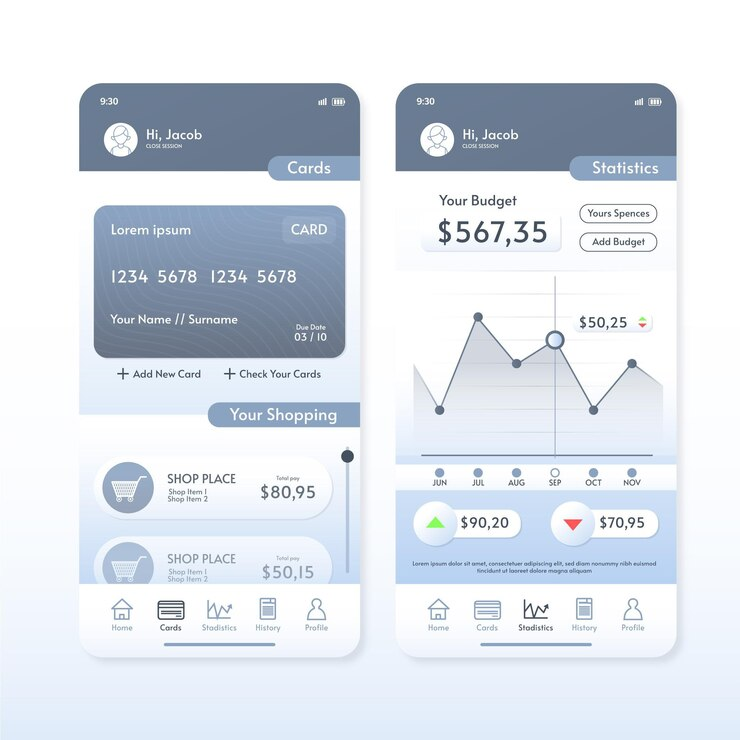
How Intuitive Interfaces Reduce Friction in Financial Transactions
For any banking or fintech platform, simplicity and efficiency are key. Users expect to complete financial transactions quickly and securely. A complicated, cluttered, or unintuitive interface can lead to confusion, mistakes, or even abandoned transactions.
1. The Role of UX/UI in Financial Transactions
An effective banking app must prioritize:
-
Ease of use: Users should be able to perform tasks (e.g., sending money, checking balances, making payments) with minimal effort.
-
Clear navigation: A simple, logical layout ensures users can find features easily.
-
Speed and responsiveness: Transactions should be processed without delays or unnecessary steps.
2. Best Practices for Intuitive UX/UI in Banking and Fintech
a) Streamlined Navigation and Task Flows
-
Use progressive disclosure—show only the necessary information at each step.
-
Keep the most common actions (e.g., transfers, payments, checking balances) on the homepage.
-
Implement smart search and voice commands for quick access to functions.
b) One-Tap Transactions
-
Enable biometric authentication (fingerprint, Face ID) to speed up logins.
-
Offer quick-send features for frequent transactions.
-
Use pre-filled forms based on past behavior to reduce input time.
c) Real-Time Transaction Feedback
-
Display instant confirmation messages after a successful transaction.
-
Provide real-time tracking for pending payments.
-
Implement haptic feedback to reassure users that an action was successful.
3. The Impact of an Intuitive Interface on User Engagement
A smooth and intuitive UX/UI leads to:
-
Higher user retention—customers prefer platforms where tasks are completed effortlessly.
-
Faster transactions—reducing the time users spend performing financial tasks.
-
Lower frustration levels—minimizing errors and confusion.
When financial transactions feel seamless and effortless, users are more likely to trust and continue using the platform.
The Importance of Error Prevention and Recovery in Banking Apps
Mistakes in financial transactions can be costly and frustrating. A poorly designed system that lacks error prevention and recovery mechanisms can lead to:
-
Failed transactions due to incorrect inputs.
-
Lost payments from misdirected transfers.
-
Frustrated customers struggling to fix errors.
1. UX Strategies to Prevent Errors in Financial Transactions
a) Input Validation and Auto-Suggestions
-
Use real-time validation (e.g., warn users if they enter an incorrect account number).
-
Provide autocomplete suggestions for frequent transactions.
-
Display error explanations in simple, clear language.
b) Confirmation Steps Before Transactions
-
Include a final review screen before completing high-value transactions.
-
Use double confirmation for critical actions (e.g., sending money to new recipients).
-
Allow users to undo recent actions within a time window.
c) Contextual Help and Support
-
Offer in-app support or chatbots for troubleshooting.
-
Provide clear instructions on how to fix errors.
-
Display a contact support button for urgent issues.
2. Effective Error Recovery Mechanisms
Even with robust error prevention, mistakes can still happen. A well-designed recovery system ensures that users can fix errors easily and quickly.
Best practices:
-
Allow users to cancel or reverse transactions within a short window.
-
Provide detailed status updates for pending or failed transactions.
-
Offer automated refund processes for mistaken payments.
3. The Impact of Error Prevention on Customer Trust
When a banking or fintech platform effectively prevents and resolves errors, users feel:
-
More confident using the platform.
-
Less anxious about potential financial losses.
-
More likely to recommend the service to others.
By minimizing transactional errors and offering quick recovery options, fintech platforms build a reputation for reliability and trustworthiness.
The Role of UX in Building Trust Through Transparent and Accessible UI Design
Financial transactions involve sensitive data and personal finances, making trust and security essential. A transparent, accessible UI design reassures users that their information is secure and well-managed.
1. The Importance of Transparency in Financial UX/UI
Users need clarity and control over their financial data. Common pain points include:
-
Hidden fees or unclear charges.
-
Unclear transaction histories.
-
Confusing security settings and permissions.
2. Best Practices for Transparent UX/UI in Banking Apps
a) Clear and Detailed Transaction Histories
-
Provide easy-to-read statements with categorized expenses.
-
Offer visual spending breakdowns (graphs, charts, trends).
-
Ensure users can filter and search past transactions easily.
b) Transparent Fees and Charges
-
Display fee breakdowns before transactions.
-
Show real-time currency conversion rates for international transactions.
-
Offer notifications for upcoming charges (e.g., subscription renewals).
c) Secure and Accessible UI Elements
-
Use trust signals, such as padlock icons and “Verified” badges.
-
Implement two-factor authentication (2FA) as a standard option.
-
Ensure all buttons and links are easy to see and use, particularly for older users or those with disabilities.
3. The Impact of Transparent UX/UI on Customer Confidence
When banking and fintech apps are clear, accessible, and upfront about financial data, users feel:
-
More in control of their money.
-
Safer using the platform for high-value transactions.
-
More likely to trust the company with sensitive data.
By eliminating ambiguity and providing security features upfront, financial platforms can establish long-term trust with users.
Best UX/UI Practices for Banking & Fintech Platforms
To ensure a smooth, secure, and trusted financial experience, fintech apps should follow these key UX/UI principles:
-
Simplify Transaction Flows
-
Use minimal steps for common actions.
-
Implement biometric logins for quick access.
-
Prevent and Recover from Errors
-
Use real-time input validation and confirmation screens.
-
Provide an easy way to reverse or cancel transactions.
-
Enhance Security and Transparency
-
Display transaction details clearly.
-
Offer accessible security settings with clear explanations.
-
Optimize for Mobile and Accessibility
-
Ensure touch-friendly buttons and clear typography.
-
Provide dark mode and high-contrast options for readability.
-
Reassure Users with Trust Signals
-
Use padlock icons, encryption notices, and “Verified” labels.
-
Show clear refund and support options in case of issues.
Conclusion
A well-designed banking or fintech app must be intuitive, secure, and transparent to build trust with users. By reducing friction in transactions, preventing errors, and designing for clarity and security, fintech companies can enhance customer confidence and engagement.
In a world where digital finance is rapidly evolving, UX/UI design is not just about aesthetics—it’s a critical factor in ensuring that users feel safe, informed, and in control of their financial decisions.

Share

Keep me postedto follow product news, latest in technology, solutions, and updates
Related articles
Explore all